
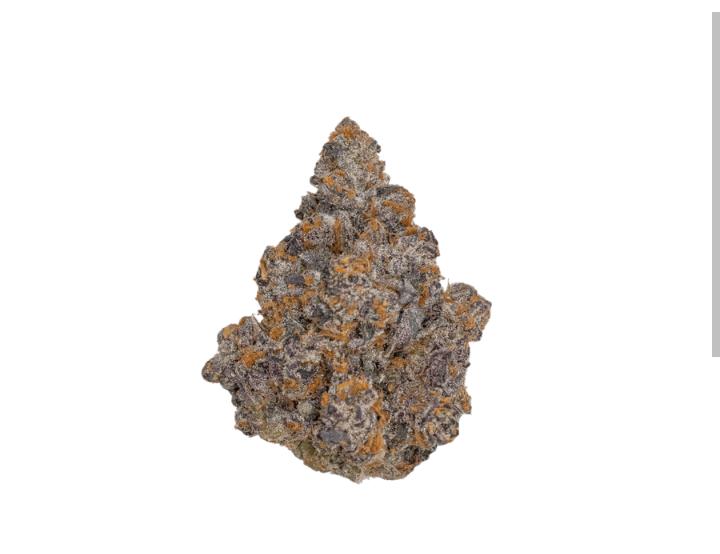

Pink Runtz Flower: Understanding Cannabis Weights and THC Labels
Pink Runtz Flower is a cannabis name readers may encounter while researching flower, product descriptions, and cannabis terminology. Understanding those descriptions requires separating three things: the strain name, the weight of the material, and its cannabinoid content.
For example, 21 grams of weed describes a quantity of plant material. A label mentioning 20 mg THC gummies describes an amount of THC, provided the label specifies whether that amount applies to a piece, serving, or package. These measurements answer different questions.
This educational guide explains common cannabis weight terms, provides a weed conversion chart, and shows how to evaluate descriptions without assuming that a name or number proves quality, safety, or legality. It also addresses searches for “best delta 9” and “best delta 9 THC gummies” through evidence and labeling rather than unsupported rankings.
What Does Pink Runtz Flower Mean?
Pink Runtz Flower refers to cannabis flowering material described under the Pink Runtz name. However, that name is not a standardized laboratory specification.
A strain name alone cannot establish a batch’s exact THC concentration, CBD content, contaminant results, or legal status. It also does not prove that material from different producers has identical characteristics.
Keep these distinctions in mind:
- Name: The strain or product identity used in a description.
- Weight: The mass of the flower, usually expressed in grams or ounces.
- Composition: The substances measured in a particular sample.
- Legal status: Whether the product and activity satisfy applicable laws.
For further educational exploration, review cannabis terminology on Bulkweedusa.com. Evaluate commercial descriptions alongside independent evidence rather than treating them as regulatory guidance.
Why Batch Information Matters
A general description can introduce a topic, but batch documentation answers more specific questions. If a page gives an exact potency figure, readers should be able to identify the evidence supporting that figure.
Ask whether the information concerns the material being described or simply summarizes a strain’s reputation. A photograph, familiar name, or attractive description cannot substitute for a matching laboratory report.
This distinction helps readers assess Pink Runtz Flower information without turning broad claims into assumed facts.
Weed Conversion Chart: Grams and Ounces
An ordinary ounce of mass equals 28.349523125 grams. This is the avoirdupois ounce, rather than the troy ounce used for precious metals. NIST publishes the relevant conversion factors. nvlpubs.nist.gov
The following weed conversion chart uses that standard conversion. Figures are rounded for readability.
| Amount | Equivalent |
|---|---|
| 1 gram | 0.0353 ounces |
| 3.5 grams | 0.1235 ounces |
| 7 grams | 0.2469 ounces |
| 14 grams | 0.4938 ounces |
| 20 grams | 0.7055 ounces |
| 21 grams | 0.7408 ounces |
| 28 grams | 0.9877 ounces |
| 1 ounce | 28.3495 grams |
| 2 ounces | 56.6990 grams |
| 4 ounces | 113.3981 grams |
For the underlying measurement reference, consult NIST’s unit conversion tables.
These are mathematical conversions. They do not establish permitted possession quantities or authorize any purchase, sale, or transport.
How Much Is 4 Ounces of Weed in Grams?
The direct answer to “how much is 4 ounces of weed in grams” is approximately 113.40 grams.
The calculation is:
4 × 28.349523125 = 113.3980925 grams
You may encounter a simplified figure of 112 grams when someone uses 28 grams as shorthand for an ounce. That shorthand differs from the standard conversion by approximately 1.40 grams across four ounces.
For educational charts, state which convention you use. “Approximately 112 grams using a rounded 28-gram ounce” and “113.40 grams using the standard ounce” are different calculations.
Neither figure tells you whether that amount is legally permitted. Measurement and legal authorization require separate explanations.
Understanding 21 Grams of Weed
21 grams of weed equals approximately 0.7408 ounces.
The phrase describes the mass of flower or other plant material. It does not describe the amount of THC and should not be interpreted as a recommended amount to consume.
Suppose two packages each list a net weight of 21 grams. Their matching weights do not establish matching cannabinoid profiles, laboratory results, or effects.
A useful educational description therefore identifies what a number measures. If “21 g” appears on a Pink Runtz Flower label, readers should distinguish that net weight from any separate percentage or milligram figure.
Net Weight and Container Weight
Net weight refers to the contents rather than the combined weight of the contents and packaging.
A container, lid, liner, or bag adds mass. That is why the number associated with a product should clearly identify whether it represents net contents or a gross measurement.
This principle applies broadly to packaged goods. Clear units and clear definitions prevent unnecessary confusion.
Are 20 Grams of Weed and 20 Grams of Pot Different?
20 grams of weed and 20 grams of pot describe the same quantity when both phrases refer to cannabis plant material. The wording changes; the measurement does not.
Twenty grams equals approximately 0.7055 ounces. It is also exactly one gram less than 21 grams.
That difference is a matter of mass. It does not demonstrate that one package is stronger, safer, or more suitable than another.
When researching Pink Runtz Flower, avoid descriptions that use quantity as a substitute for evidence about composition. Weight tells you how much material is present. It cannot independently answer questions about what that material contains.
For additional exploration of how cannabis descriptions use these terms, consult Bulkweedusa.com, then compare specific factual claims with their supporting documentation.
Grams of Flower Versus Milligrams of THC
Grams and milligrams are units of mass:
1 gram = 1,000 milligrams
However, cannabis descriptions frequently use them to measure different things. A flower package may list grams of plant material, while an edible label lists milligrams of THC.
Consequently, 20 grams of flower does not mean 20 milligrams of THC. Although both numbers describe mass, they refer to different substances.
| Label wording | What the number describes |
|---|---|
| 20 g flower | Mass of plant material |
| 21 g flower | Mass of plant material |
| 20 mg THC per package | Labeled THC in the entire package |
| 20 mg THC per piece | Labeled THC in one piece |
| THC percentage | Concentration expressed as a percentage |
A weight conversion chart cannot predict the effects of an edible or establish an equivalent experience between flower and gummies.
What Does “20 mg THC Gummies” Mean?
The phrase 20 mg THC gummies is incomplete unless the description explains what the 20 milligrams applies to.
It could mean:
- 20 milligrams in the entire package.
- 20 milligrams in each gummy.
- 20 milligrams in a serving containing multiple pieces.
For a hypothetical label-reading example, a package containing four equally labeled pieces and 20 milligrams of THC in total would contain five milligrams per piece. If each piece instead contained 20 milligrams, the four-piece package would contain 80 milligrams overall.
These examples explain arithmetic, not recommended consumption amounts.
California’s manufactured-product labeling guidance distinguishes THC content per serving and per package. It also identifies other required information, including applicable allergen disclosures. California requirements are state-specific rather than a nationwide standard. cannabis.ca.gov
Educational Resources: Understanding Edible Risks
Edibles involve risks that a weight chart cannot explain. The CDC notes that cannabis-infused food and drinks can have delayed or unpredictable effects, increasing the risk of consuming too much. CDC
Read the CDC’s cannabis and poisoning guidance for public-health information.
Important precautions include keeping cannabis products away from children and avoiding assumptions that candy-like packaging indicates an ordinary food. A number such as “20 mg” is also not a universal statement of safety.
Neither a familiar strain name nor a positive review replaces health guidance.
What Do “Best Delta 9” Searches Actually Tell You?
The phrase best delta 9 expresses a preference, not a recognized laboratory category. Similarly, best delta 9 THC gummies is a search phrase rather than evidence that a particular product is superior.
An informative article should explain its assessment criteria instead of inventing a universal winner. Useful questions include:
- Does the label clearly identify the cannabinoid amount?
- Does it distinguish each piece from the whole package?
- Is supporting documentation tied to the correct batch?
- Are ingredients and applicable allergens disclosed?
- Are medical or safety claims supported?
- Does the legal explanation apply to the reader’s jurisdiction?
These questions make research more useful than rankings based solely on potency, popularity, or promotional language.
Reading Pink Runtz Flower Descriptions Responsibly
A clear Pink Runtz Flower description should separate verified facts from general background.
First, identify what the page actually documents. Does it provide a net weight, a batch identifier, or a dated laboratory result? If information is missing, leave it unresolved rather than filling the gap with assumptions.
Next, examine comparisons. Flower and gummies are different formats, so their numbers should not be presented as directly interchangeable.
Finally, evaluate the source’s purpose. A commercial page can introduce terminology, but legal conclusions require current official guidance. For an example of state-specific educational information, see California’s cannabis labeling guidance.
Readers can continue exploring descriptions on Bulkweedusa.com while using independent sources to verify measurement, health, and regulatory claims.
Frequently Asked Questions
1. What is Pink Runtz Flower?
Pink Runtz Flower is cannabis flowering material described under the Pink Runtz name. The name alone does not verify a particular cannabinoid profile, laboratory result, or legal status.
2. How much is 4 ounces of weed in grams?
Four standard ounces equal approximately 113.40 grams. A simplified calculation using 28 grams per ounce produces 112 grams, but that uses a rounded convention.
3. Is 21 grams of weed the same as an ounce?
No. Twenty-one grams equals approximately 0.7408 ounces. One standard ounce equals approximately 28.35 grams.
4. Do 20 grams of weed and 20 grams of pot mean different amounts?
No. When both refer to cannabis plant material, they describe the same mass: 20 grams, or approximately 0.7055 ounces.
5. Are 20 mg THC gummies automatically the best delta 9 THC gummies?
No. The number describes labeled THC content, provided the serving or package basis is clear. It does not establish superior quality, safety, or suitability.
| Quantity | Half an Ounce, Ounce, Qp, Hp, 1 Pound |
|---|
Be the first to review “Pink Runtz Flower”
Related products
Flower
Reviews
There are no reviews yet.