
Mendocino Smalls: Understanding Flower, Cannabis Edibles, and Labels
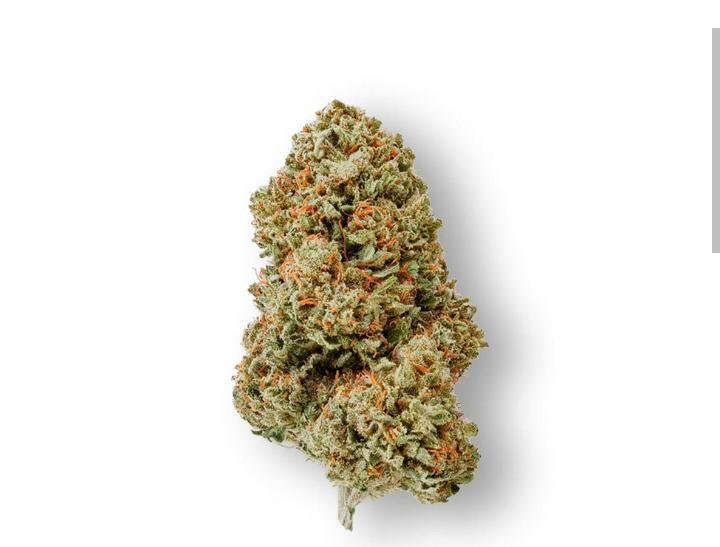
Mendocino Smalls is a cannabis product name that includes a reference to smaller flower buds. Understanding that description requires separating the product’s name and appearance from documented facts about its composition, weight, and testing.
The supplied supporting terms focus on cannabis edibles. Although flower and edibles belong to the broader cannabis discussion, they are different formats. A flower description should not imply that the material is an edible or that similarly named products contain equivalent ingredients.
This educational guide explains common edible terminology, discusses why appearance cannot identify THC content, and addresses the phrase “Wisconsin dispensary” through regulatory context. It also explains how to assess labels without treating branding or commercial wording as proof of safety.
What Does Mendocino Smalls Mean?
Mendocino Smalls identifies how a product is named and categorized. In cannabis descriptions, “smalls” generally refers to smaller flower buds.
The wording does not independently establish:
- Genetic lineage.
- THC or CBD concentration.
- A particular terpene profile.
- Verified geographic origin.
- Contaminant testing results.
- Medical benefits.
The word “Mendocino” should not be treated as proof of where material was cultivated without supporting documentation. Likewise, smaller bud size does not establish a particular potency.
For further educational exploration, review cannabis terminology on Bulkweedusa.com. Compare descriptive claims with evidence associated with the actual product.
Smaller Buds Are Not an Edible Format
The term “smalls” describes a physical flower category, not a food product.
An edible with similar branding would need its own ingredient information, cannabinoid measurements, and supporting documentation. Sharing a name does not establish matching composition or effects.
For Mendocino Smalls, keep flower facts separate from general background about gummies, baked goods, and other infused foods.
Edibles Definition: What Are Cannabis Edibles?
An edibles definition is straightforward: cannabis edibles are food or drink products containing cannabis-derived ingredients, often including cannabinoids such as THC or CBD.
The CDC describes edibles as foods and drinks infused with cannabis. It distinguishes this format from smoking flower and other forms of cannabis use. CDC
Common descriptions include:
- Cannabis edibles: A broad term for cannabis-containing food or drink.
- Weed edibles: Informal wording for the same general category.
- Infused edibles: Foods or drinks with an added ingredient, which should be identified.
- Cannabis infused edibles: Wording specifying that the infusion concerns cannabis.
The category alone does not establish the amount of THC, the presence of CBD, or a recommended consumption amount.
Cannabis Edibles and Weed Edibles: Is There a Difference?
Cannabis edibles and weed edibles commonly describe the same general product format. “Weed” is informal language; it does not identify a different chemical composition.
A product’s ingredients and measurements matter more than which expression appears in its description.
For example, a food product may mention a cannabinoid without clearly stating whether its amount applies to each piece or the whole package. That missing distinction should be resolved before interpreting the number.
An educational Mendocino Smalls page can explain this terminology, but it should not apply edible measurements directly to flower.
What Do Edibles Look Like?
There is no dependable visual answer to “what do edibles look like.”
Cannabis-containing foods can resemble ordinary gummies, chocolates, baked goods, or beverages. Shape, color, smell, and familiar packaging cannot reliably establish cannabinoid content.
The CDC warns that some cannabis edibles imitate recognizable snacks or candy and can appeal to children. Accidental ingestion can cause serious illness. CDC
A photograph is therefore insufficient to determine whether a food contains THC or how much it contains.
Why Appearance Cannot Establish Potency
Two similar-looking pieces may have different labeled compositions. Conversely, products with different appearances may use similar cannabinoid measurements.
Neither size nor sweetness establishes THC content. The relevant information concerns ingredients, clear labeling, and supporting documentation.
This is another reason to distinguish a flower photograph from an edible photograph when researching Mendocino Smalls. Images illustrate formats; they do not verify chemical composition.
Understanding Infused Edibles
The phrase infused edibles indicates that something has been added to a food or drink. It does not explain every ingredient or establish a standardized concentration.
Cannabis infused edibles provides more context, but readers still need to identify which cannabinoids are present and how their amounts are expressed.
A useful label should make its measurement basis understandable. Consider the difference between:
| Label statement | What it describes |
|---|---|
| THC per piece | Labeled THC associated with one piece |
| THC per serving | Labeled THC associated with the stated serving |
| THC per package | Labeled THC across the entire package |
| Net weight | Total product mass excluding packaging |
These numbers answer different questions. Net weight does not establish THC content, and a package amount should not automatically be interpreted as a single serving.
Educational Resources: Edible Effects and Poisoning Risks
Edibles have risks that cannot be understood from their appearance alone. The CDC explains that intoxicating effects may take 30 minutes to two hours to appear and can last longer than expected. Delayed effects may contribute to consuming too much. CDC
Read the CDC’s cannabis and poisoning guidance for public-health information.
The CDC recommends keeping cannabis products in a locked, childproof container, away from the sight and reach of children and pets. For suspected poisoning in the United States, contact Poison Control at 1-800-222-1222; call 911 for an emergency. CDC
A product name, positive review, or candy-like appearance cannot establish safety.
Wisconsin Dispensary: What the Phrase Does Not Prove
The search phrase Wisconsin dispensary expresses a location-related interest. It does not independently establish a business’s authorization, the legal classification of its products, or permission for a particular activity.
Hemp-related businesses and marijuana regulatory frameworks should not be treated as interchangeable. Wisconsin’s Department of Agriculture, Trade and Consumer Protection maintains resources addressing hemp and related product information. datcp.wi.gov
Consult the official Wisconsin hemp resources when researching that category.
A storefront or website using “dispensary” does not, by itself, answer the legal question. Likewise, a Mendocino Smalls listing does not prove that the material meets an applicable hemp definition.
Hemp Wording Does Not Resolve Every Requirement
A hemp claim is only one part of the information readers need.
Wisconsin’s official guidance explains that hemp flower and CBD products must meet applicable method-of-sale and labeling requirements. This illustrates why a product category does not eliminate other obligations. datcp.wi.gov
Avoid treating an old article, proposed bill, or commercial statement as a complete explanation of current rules.
Dispensary Edibles: A Commercial Description, Not a Safety Guarantee
Dispensary edibles describes a commercial association. It does not independently establish ingredients, potency, testing results, or medical suitability.
Readers should distinguish the identity of a business from evidence concerning a particular product. A familiar business name cannot replace a clear label or matching documentation.
Similarly, personal testimonials cannot establish that another person will respond identically.
You can explore terminology used in descriptions on Bulkweedusa.com, while keeping commercial claims separate from official health and regulatory information.
CBD, THC, and Edible Claims
CBD and THC are different cannabinoids. Their names should not be used interchangeably, and a general cannabis label should clarify which substances it discusses.
For food-related regulatory context, read the FDA’s explanation of CBD in foods. The FDA distinguishes hemp ingredients from added cannabinoid products and discusses unresolved safety and regulatory concerns. FDA
A Mendocino Smalls description does not establish that the flower contains a particular CBD amount. Nor does mentioning cannabinoids prove that a food is an approved treatment.
How to Evaluate Mendocino Smalls Information
Start by identifying the format. Does the page describe flower, a food product, or general background?
Next, examine the claim. Appearance, net weight, cannabinoid composition, health effects, and legal status require different evidence.
Then check whether supporting information matches the product being described. A report associated with another batch should not automatically be applied to the current material.
Finally, note the source’s purpose and date. Commercial descriptions, public-health guidance, and official regulatory resources serve different roles. Missing details should remain questions rather than becoming assumptions.
Frequently Asked Questions
1. What are Mendocino Smalls?
Mendocino Smalls is a cannabis product name that includes a smaller-bud description. Specific characteristics require supporting information for the relevant material.
2. Are Mendocino Smalls cannabis edibles?
The name suggests a flower category, not an edible format. Any food product with similar branding requires separate ingredient and labeling information.
3. What is the edibles definition?
Edibles are food or drink products containing cannabis-derived ingredients. The term alone does not establish THC content or safety.
4. What do edibles look like?
They can resemble ordinary foods or beverages. Appearance cannot reliably identify cannabinoid content or potency.
5. Does “Wisconsin dispensary” prove a product is authorized?
No. A location phrase or business description does not independently establish product classification or compliance with applicable requirements.
Where to Explore Further
Continue exploring cannabis terminology through Bulkweedusa.com, while using official Wisconsin resources and public-health agencies to verify important claims. For Mendocino Smalls, distinguish flower descriptions from edible information, and assess each claim using evidence suited to the question.
| Quantity | 1 Ounce, QP, HP, 1 lb |
|---|
Be the first to review “Mendocino Smalls”
Related products
Hybrid cannabis strains
Sativa Cannabis Strain
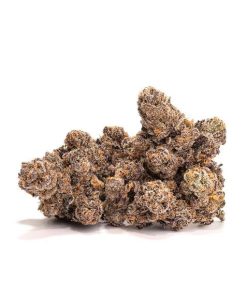
Indica
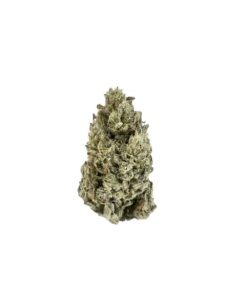
Indica Hybrid
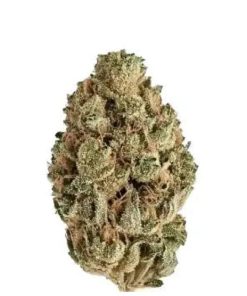
Hybrid cannabis strains
Hybrid cannabis strains
Indica
Sativa Cannabis Strain
Reviews
There are no reviews yet.