
Snowcone #6 Flower by Ripe Herb: Medical Costs, Cannabis Laws, and Legal History
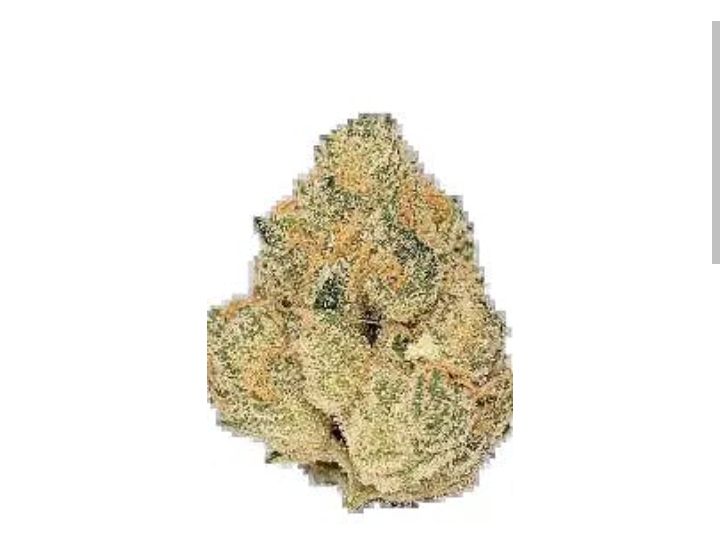
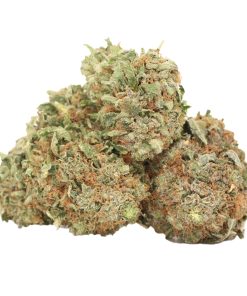
Snowcone #6 Flower by Ripe Herb is a cannabis product name that readers may encounter while researching flower, medical marijuana costs, and state regulations. Understanding the name requires separating product identification from verified specifications. A named selection does not establish its cannabinoid concentration, medical benefits, package weight, or legal availability in every state.
This educational guide explains how to evaluate information about Snowcone #6 Flower by Ripe Herb while answering broader questions about dispensary laws, medical marijuana states, cannabis prohibition, and CBD legality. It also explains why older articles and predictions about future legalization need careful interpretation.
Understanding Snowcone #6 Flower by Ripe Herb
The supplied name identifies a named flower selection and attributes it to Ripe Herb. However, this guide has not authenticated a producer label or laboratory report for a specific package.
The “#6” designation should not be interpreted as a potency score, package size, or quality ranking. Its precise meaning requires producer documentation. Likewise, “Snowcone” does not independently verify a flavor profile or establish that the product contains added ingredients.
A responsible educational description of Snowcone #6 Flower by Ripe Herb should distinguish between the supplied name and documented facts about the actual batch.
Product Information Worth Verifying
| Detail | What it helps establish |
|---|---|
| Producer identifier | Who is responsible for the product |
| Batch or lot number | Which production batch is being discussed |
| Net weight | The quantity of material |
| Matching laboratory report | Results for an identified sample |
| Testing date | When the sample was analyzed |
| Product form | Whether the contents are flower or another preparation |
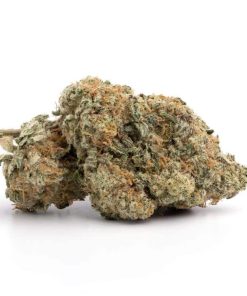
A photograph or marketing description cannot establish all these details. Readers exploring information through Bulkweedusa.com should compare claims with identifiable documentation rather than assume that a recognizable name verifies the contents.
How Much Does Medical Marijuana Cost?
There is no single national price for medical marijuana. The answer depends on the state program, practitioner charges, administrative fees, product form, quantity, and other applicable expenses.
It helps to separate program access costs from product costs. An identification-card fee does not include every expense a patient may encounter, and a listed product price does not necessarily include certification or renewal costs.
Pennsylvania provides a concrete example: its Department of Health lists a $50 patient or caregiver medical marijuana identification-card fee. Participants in specified assistance programs may qualify for a no-cost card. That figure is a program fee, not a national medical marijuana price. Department of Health
Build a Clear Cost Comparison
| Cost category | Question to ask |
|---|---|
| Practitioner assessment | What does the consultation cost, and what does it include? |
| Registration | Does the state charge a program fee? |
| Renewal | Which fees recur, and how often? |
| Product | What quantity and form does the listed price cover? |
| Additional expenses | Are taxes or other charges applicable? |
For Snowcone #6 Flower by Ripe Herb, this guide does not invent a current price or imply medical-program availability. A reliable price comparison requires a verified package size, a dated price, and the relevant jurisdiction.
Dispensary Laws: Why State and Local Rules Matter
“Dispensary” is a commonly used term, but its legal meaning depends on the jurisdiction and business category.
A medical dispensary operates within a medical framework. An adult-use retailer serves eligible adults under a different framework. A business selling hemp products may operate under separate rules entirely.
Before interpreting a dispensary claim, identify the governing system. Business authorization, individual eligibility, permitted product forms, and local restrictions answer different questions.
The National Conference of State Legislatures’ medical cannabis overview distinguishes comprehensive medical programs from more limited low-THC or CBD arrangements. These categories should not be treated as interchangeable. ncsl.org
A Product Name Does Not Establish Legal Access
Seeing Snowcone #6 Flower by Ripe Herb in an online description does not establish that it is authorized within your state’s medical program.
Similarly, a medical program’s existence does not establish that every cannabis product or transaction qualifies for its protections. The applicable rules need to be checked separately from the product description.
Medical Marijuana States: What the Category Means
The phrase “medical marijuana states” can conceal important differences.
Some states have comprehensive medical cannabis programs. Others permit only limited preparations or provide narrower protections. Qualifying conditions, registration rules, authorized businesses, and permitted products vary.
A useful comparison therefore asks more than whether a state is marked “medical” on a map:
- Who qualifies under the program?
- Which preparations are permitted?
- What practitioner documentation is required?
- Which businesses are authorized?
- Are there separate caregiver requirements?
NCSL explains its criteria for identifying comprehensive programs and separately describes limited low-THC arrangements. Its state overview is useful for understanding these distinctions before consulting the relevant state agency. ncsl.org
Avoid assuming that a broad state classification confirms access to Snowcone #6 Flower by Ripe Herb. Product-specific authorization still requires verification.
Cannabis Laws 2020: Why Older Information Needs Updating
A search for “cannabis laws 2020” can be useful for historical research. It should not be treated as a current compliance guide.
Since 2020, legislation, regulations, licensing systems, and court decisions have continued to develop. A page may accurately describe the law at its publication date while giving an incomplete picture today.
When reviewing an older article, check its jurisdiction, publication date, update date, and cited sources. Then determine whether later changes affect its conclusions.
NCSL maintains an enacted cannabis policy database, with its retrieved page showing a September 2026 update. This illustrates the value of checking current legislative records rather than relying on a fixed historical snapshot. ncsl.org
Match the Source to the Question
Historical sources answer what happened at a particular time. Current agency guidance helps explain today’s program administration. Statutes and regulations establish the underlying requirements.
These sources serve different purposes. Comparing them carefully is more useful than assuming that the newest-looking search result answers every legal question.
When Did Weed Become Illegal?
In the United States, cannabis prohibition developed through multiple laws and jurisdictions. There is no single date that fully explains every state restriction.
A major federal milestone was the Marihuana Tax Act of 1937. It imposed registration and tax requirements that effectively prohibited nonmedical use, as explained in the National Academies’ historical discussion hosted by NCBI. NCBI Bookshelf
Another milestone was the Controlled Substances Act of 1970, which established the federal scheduling framework. Marijuana’s historical placement in Schedule I became central to later debates about research and medical use. dea.gov
The question “when did weed become illegal” therefore benefits from a timeline rather than a one-date answer. State restrictions and federal controls followed different paths, and later reforms changed particular parts of that framework.
This history provides context for cannabis regulation; it does not establish the present legal status of a specific package.
Next States to Legalize Cannabis: Predictions Versus Law
Searches for “next states to legalize cannabis” or “next states to legalize marijuanas” ask about future events. No reliable source can guarantee which state will act next or when a proposal will become operational.
A legalization proposal may advance, change substantially, stall, or fail. Even after enactment, a state may need additional regulations and licensing procedures before a retail system begins operating.
Readers can evaluate developments by checking:
- Whether legislation or a ballot measure actually exists.
- Its official status.
- Whether it has completed the required process.
- Its effective dates.
- The remaining implementation requirements.
Educational content about Snowcone #6 Flower by Ripe Herb should not present a political prediction as present legal permission.
How Many States Are Legal for CBD?
There is no useful universal state count covering every CBD product, formulation, and use. “CBD is legal” is too broad to resolve questions about food, cosmetics, medicines, THC content, or therapeutic claims.
FDA requirements remain relevant alongside state rules. The agency explains that CBD’s presence in a product does not exempt it from applicable federal food and drug law. It also distinguishes approved medicines from other products marketed with CBD. FDA
The FDA’s cannabis and CBD regulatory guidance provides an authoritative starting point.
Ask a Product-Specific Question
Instead of relying on a broad claim that CBD is permitted everywhere, identify:
- The product form.
- Its ingredients and cannabinoid composition.
- The claims made about it.
- The jurisdiction involved.
- The rules governing the proposed activity.
CBD content alone does not establish that Snowcone #6 Flower by Ripe Herb is compliant or medically approved.
Frequently Asked Questions
1. What is Snowcone #6 Flower by Ripe Herb?
It is the supplied cannabis flower product name. Its genetics, potency, package weight, and other specifications require authenticated producer information and documentation for the actual batch.
2. How much does medical marijuana cost?
Costs vary by program and product. Separate practitioner charges, registration fees, renewals, and product expenses. For example, Pennsylvania lists a $50 identification-card fee with qualifying assistance exemptions. Department of Health
3. Do all medical marijuana states have the same rules?
No. Comprehensive programs and limited low-THC arrangements differ, and individual states establish their own eligibility and operating requirements. ncsl.org
4. Can a 2020 cannabis law article explain today’s rules?
It can provide historical context, but later legislation, regulations, and court decisions may change the answer. Check current official sources before relying on its conclusions.
5. Is CBD automatically legal in every product?
No. Product form, composition, claims, and jurisdiction matter. FDA guidance explains that CBD products remain subject to applicable federal requirements. FDA
Where to Explore Further
Understanding Snowcone #6 Flower by Ripe Herb starts with verified product information. Understanding its regulatory context requires a separate review of current law.
Continue exploring terminology through Bulkweedusa.com, and consult the official resources above for regulatory questions. For additional context on product descriptions, return to Bulkweedusa.com and evaluate each claim against its supporting documentation.
For a concrete example of medical-program fees and eligibility, review the Pennsylvania Department of Health’s patient guidance.
| Quantity | 28G, HP, 1lb |
|---|
Be the first to review “Snowcone #6 Flower by Ripe Herb”
Related products
Hybrid cannabis strains
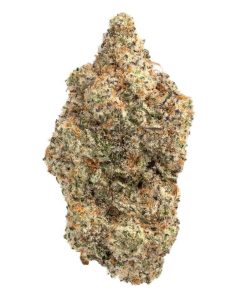
Hybrid cannabis strains
Hybrid cannabis strains
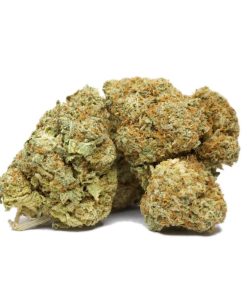
Hybrid cannabis strains
Hybrid cannabis strains
Hybrid cannabis strains
Hybrid cannabis strains
Hybrid cannabis strains
Reviews
There are no reviews yet.